
Photos Budiman Syuwari Budiman Sobri
LANGKAWI, 4 February 2026: The Discover Langkawi: Explore, Learn, and Connect programme began with vibrant enthusiasm as Universiti Utara Malaysia (UUM) welcomed a group of full-time international students from China on an enriching educational journey across the legendary island of Langkawi.
Organised by the Centre for International Affairs and Cooperation (CIAC), the programme aimed to strengthen students’ understanding of Malaysia’s natural heritage while allowing them to experience firsthand the captivating environment and cultural richness that Langkawi has to offer.
The programme commenced at the Langkawi UNESCO Global Geopark Discovery Centre (GDC), where students attended an engaging briefing on the island’s extraordinary geological history. Langkawi is home to rock formations dating back more than 550 million years, making it one of the oldest geological landscapes in Southeast Asia.
As a centre for environmental education, the GDC showcases the island’s diverse flora and fauna, mangrove ecosystems, and conservation initiatives. Students also learned about Langkawi’s recognition as a UNESCO Global Geopark in 2007, the first in Southeast Asia and the 52nd in the world at the time and how sustainable tourism plays a crucial role in protecting its fragile ecosystems.
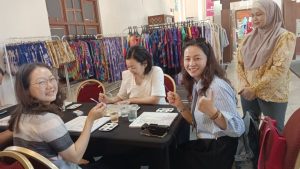
The group later visited Kompleks Kraf Langkawi, a renowned cultural centre managed by Kraftangan Malaysia. Upon arrival, students were warmly welcomed by the centre’s officers, who introduced them to Malaysia’s traditional handicrafts, including batik, songket, and wood carving, which represent centuries of cultural heritage and craftsmanship.
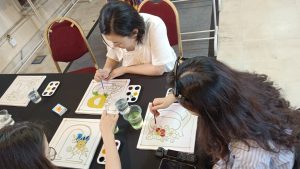
A highlight of the visit was a hands-on batik painting session, where students experienced one of Malaysia’s most iconic art forms. The activity inspired creativity and self-expression while providing an interactive platform to learn about Malaysian cultural traditions in a fun and meaningful way.
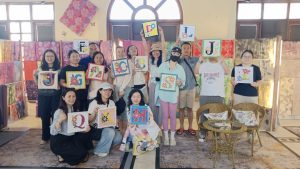
Luo Ying, a PhD candidate in the Doctor of Philosophy (Education) programme, expressed her excitement about the batik activity, describing it as both inspiring and memorable. She shared that she plans to keep her batik artwork as a personal souvenir and a cherished reminder of her academic journey and cultural experiences in Malaysia.
By the end of the day, students had gained meaningful insights into Malaysia’s natural landscapes and cultural heritage, while actively participating in activities related to sustainability, creativity, and traditional craftsmanship. The programme provided a valuable experiential learning opportunity, enriching students academically and culturally.
CIAC expressed hope that such experiential programmes will continue to broaden students’ global perspectives, foster intercultural connections, and cultivate respect for Malaysia’s environment and artistic traditions. Day One in Langkawi marked an inspiring start an engaging blend of exploration, learning, and cultural connection set against the stunning backdrop of the island’s natural beauty. – Amierul Husniey Che Abd Rahman